Meet KTRA’s Therapeutic Riding Horses in Kamloops
Meet Our Herd
Our seven therapy horses are the heart of everything we do. Get to know them — and consider giving one a sponsor.
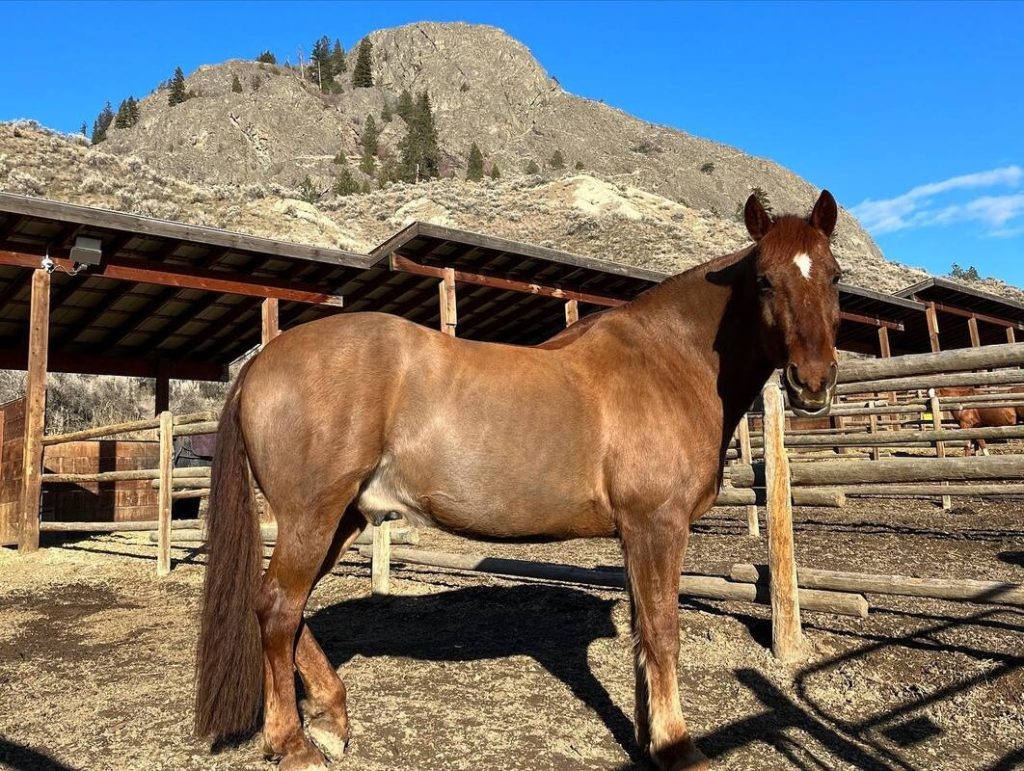
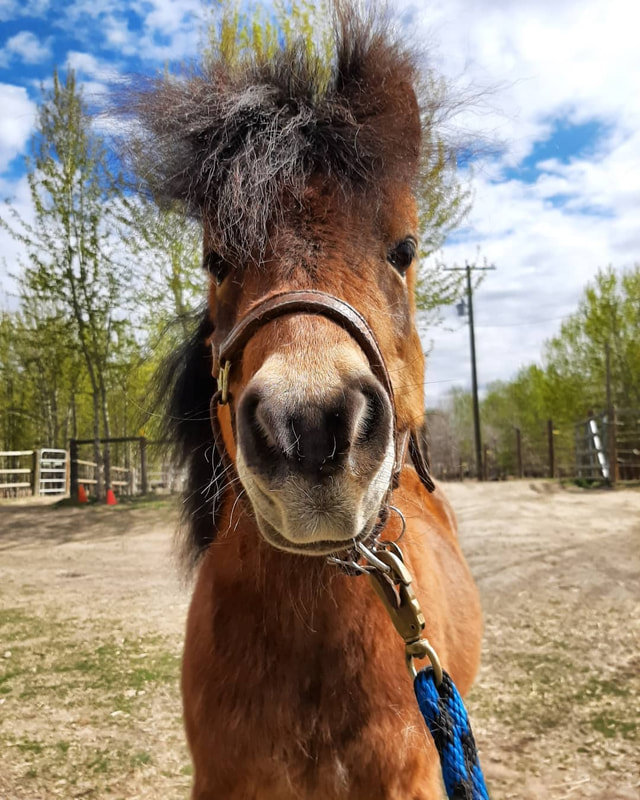
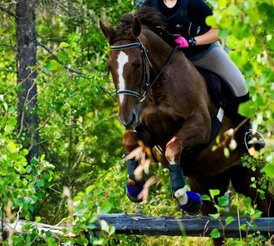
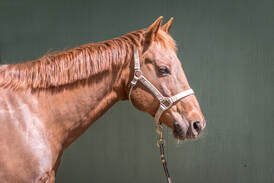
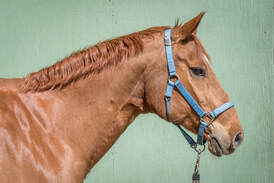
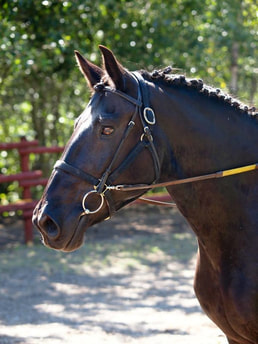
Chevy
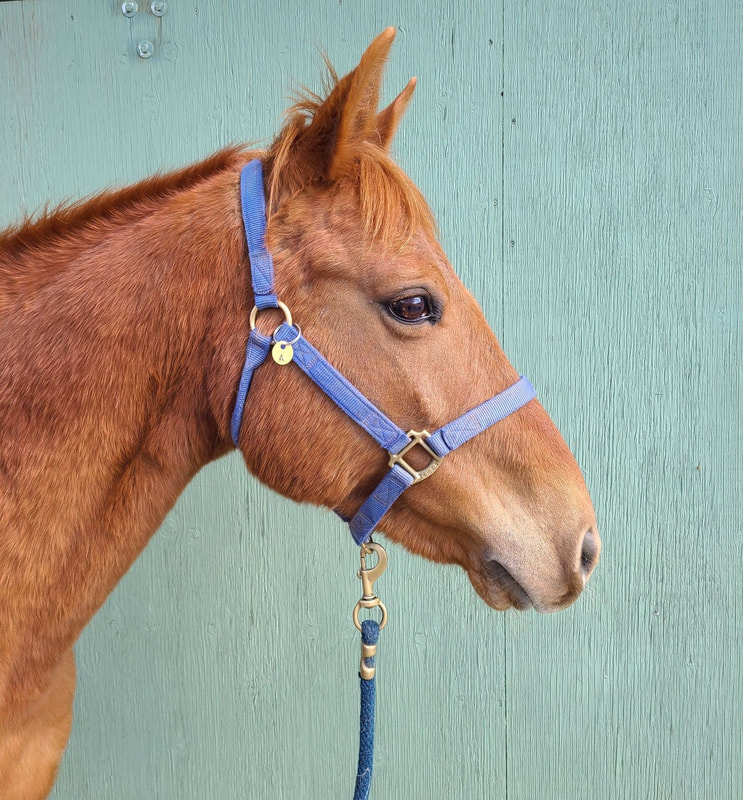
Chevy owned by KTRA- donated by Katie Leach
- Breed: Canadian/Morgan
- Birthday: June 2007
- Colour: Chestnut
- Gender: Gelding
Fun Facts: Before coming to KTRA, Chevy competed in eventing and explored lots of trails with his previous owner. Chevy is known for having an outgoing personality and a wild hairdo!
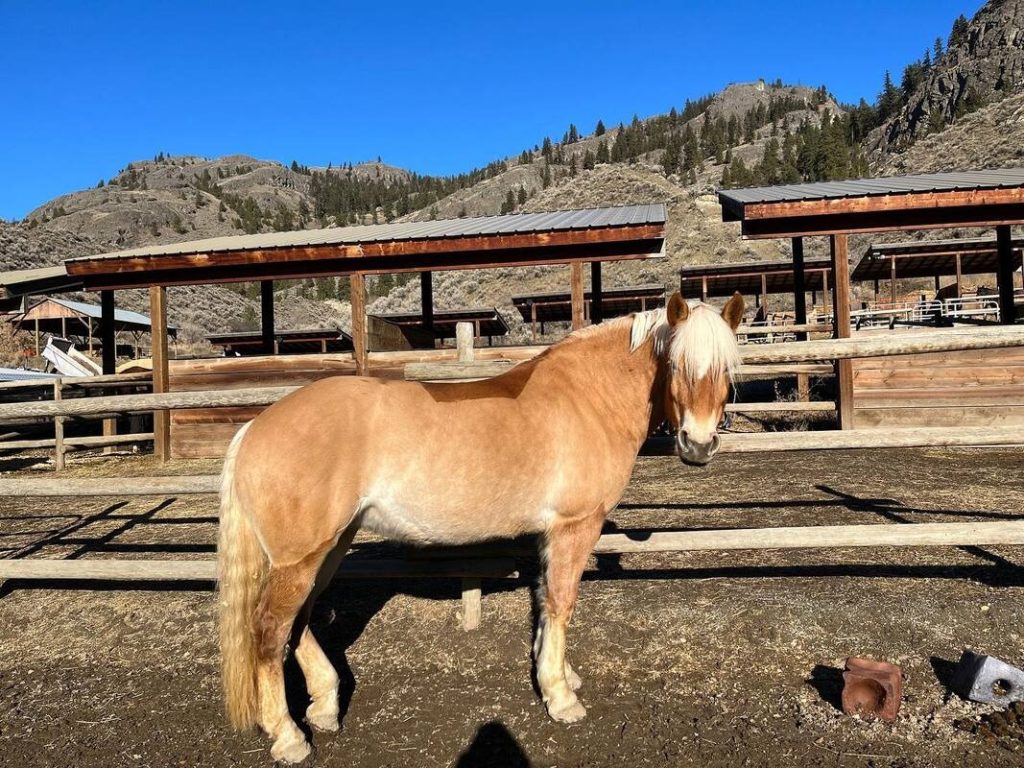
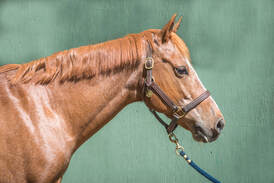
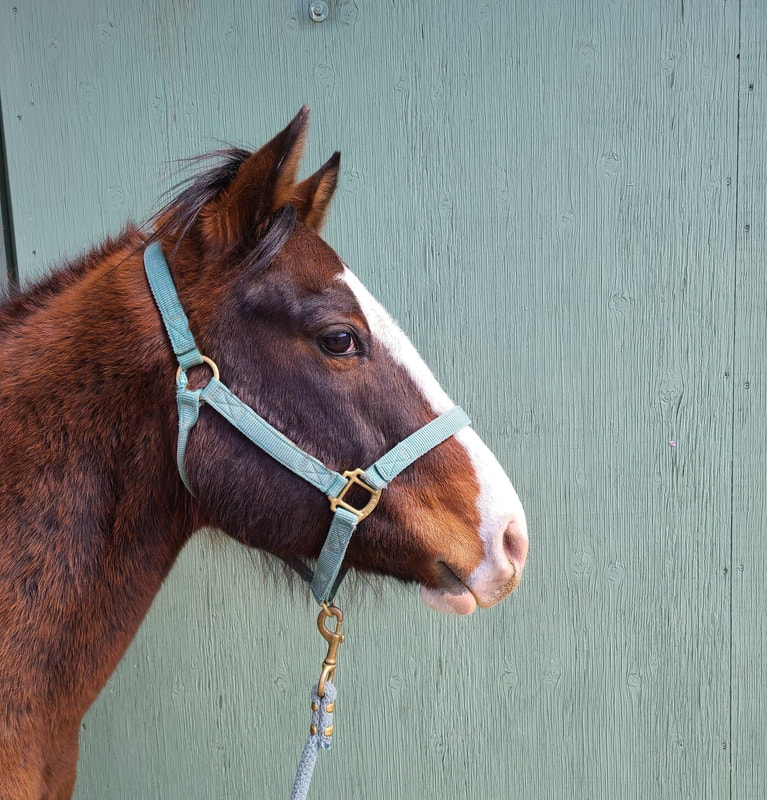
Nala
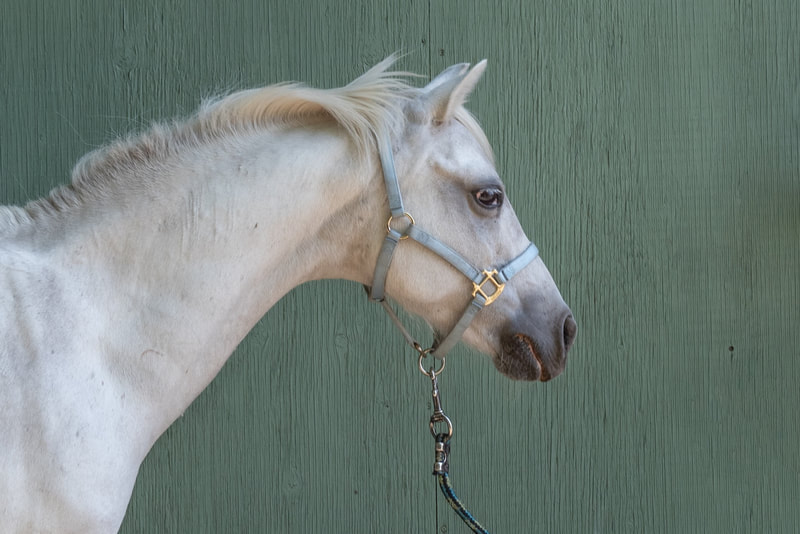
Nala is owned by KTRA
- Breed: Haflinger
- Birthday: June 14, 2017
- Colour: Chestnut with flaxen mane/tail
- Gender: Mare
Fun Facts: Nala is the youngest horse KTRA has ever purchased with the intent of “training” her to be a Therapeutic Riding horse. Nala is named after the female lion cub from the classic Disney movie “The Lion King”.
- Gold Sponsor: Save On Foods, Sahali
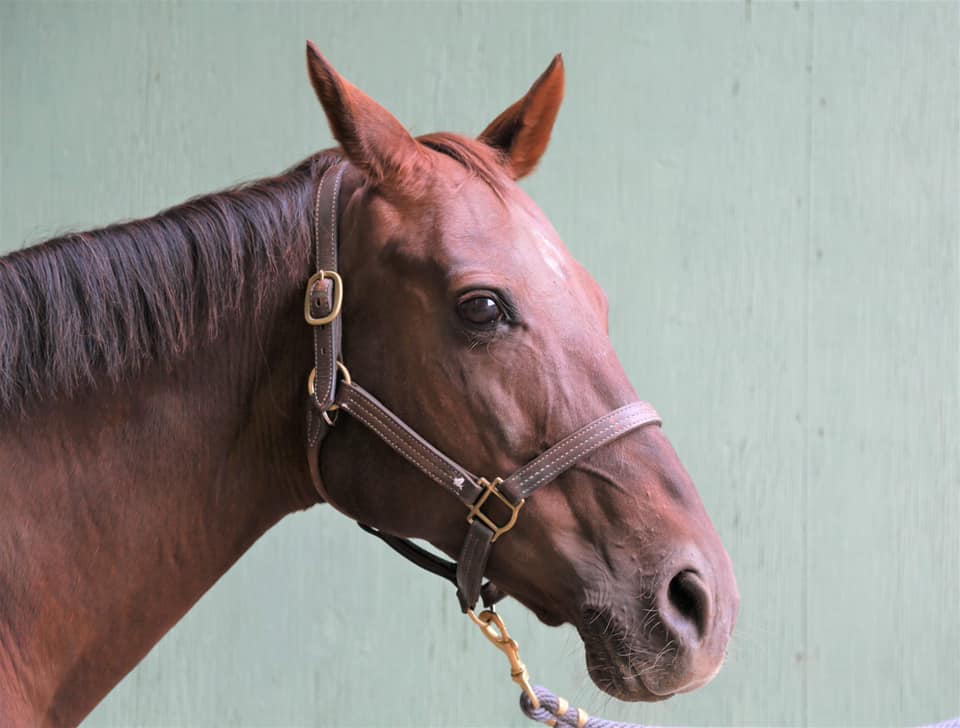
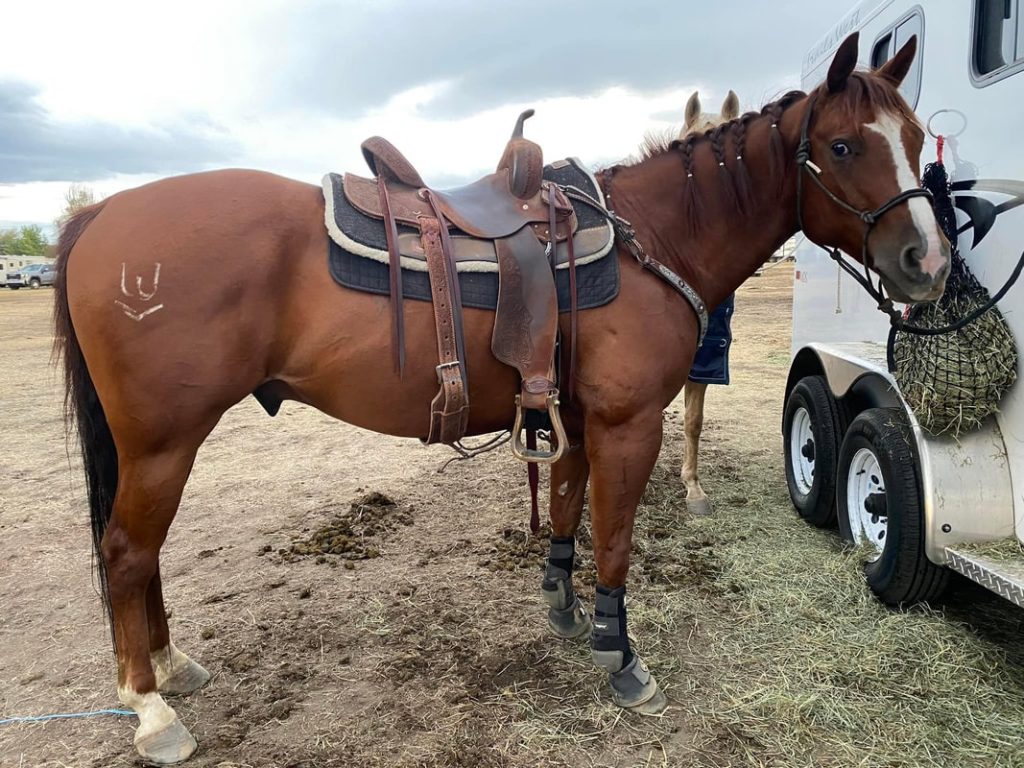
Rusty
Rusty is owned by KTRA
- Breed: Grade
- Birthday: 2015
- Colour: Sorrel
- Gender: Gelding
Fun Facts: Has roped on the heel side. Has moved cows.
- Gold Sponsor: IG Wealth
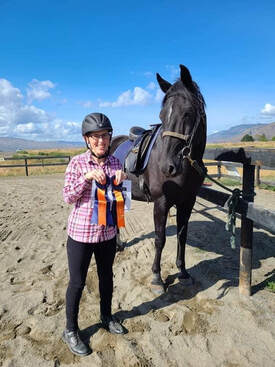
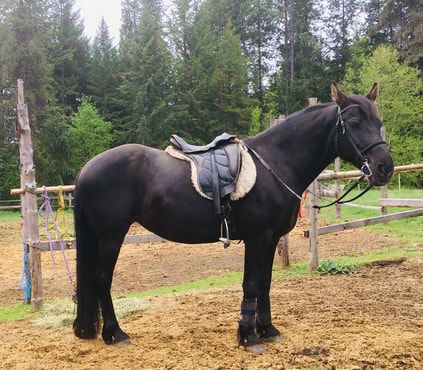
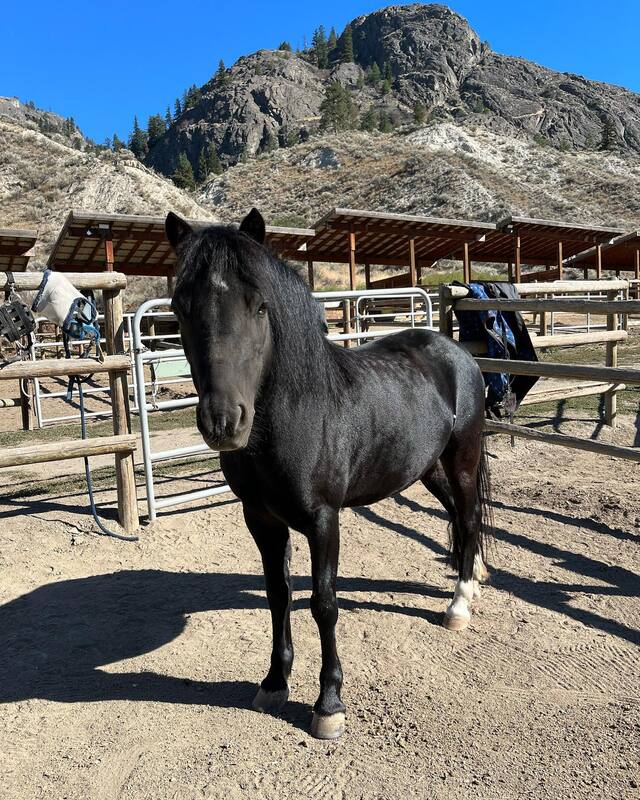
Piper
Piper is owned by KTRA
- Breed: Welsh Pony
- Birthday: May 5th, 2014
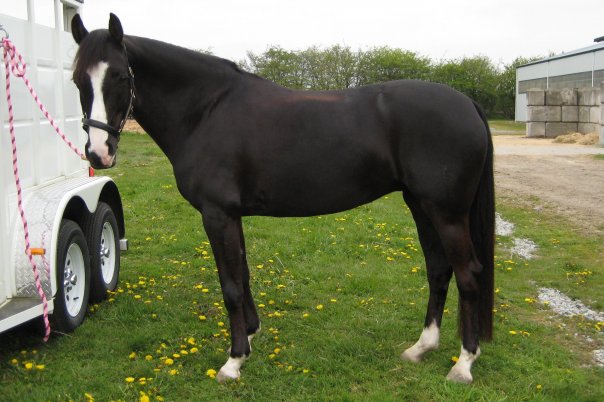
- Colour: Black
- Gender: Mare
Fun Facts: Before coming to KTRA, Piper had a foal.
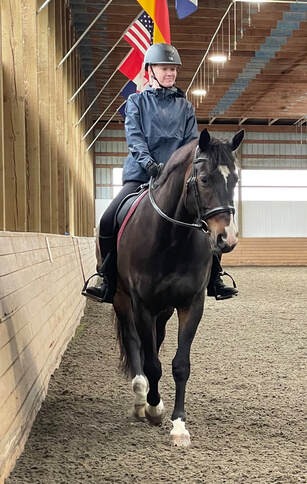
- Gold Sponsor: TH & Company
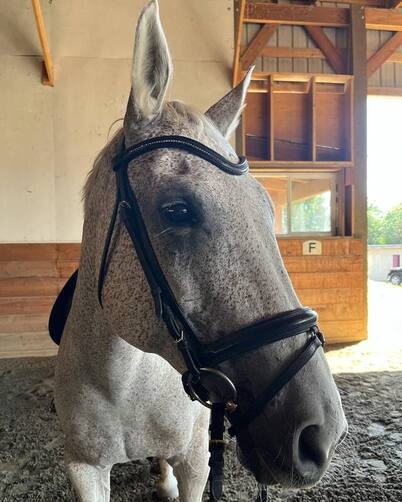
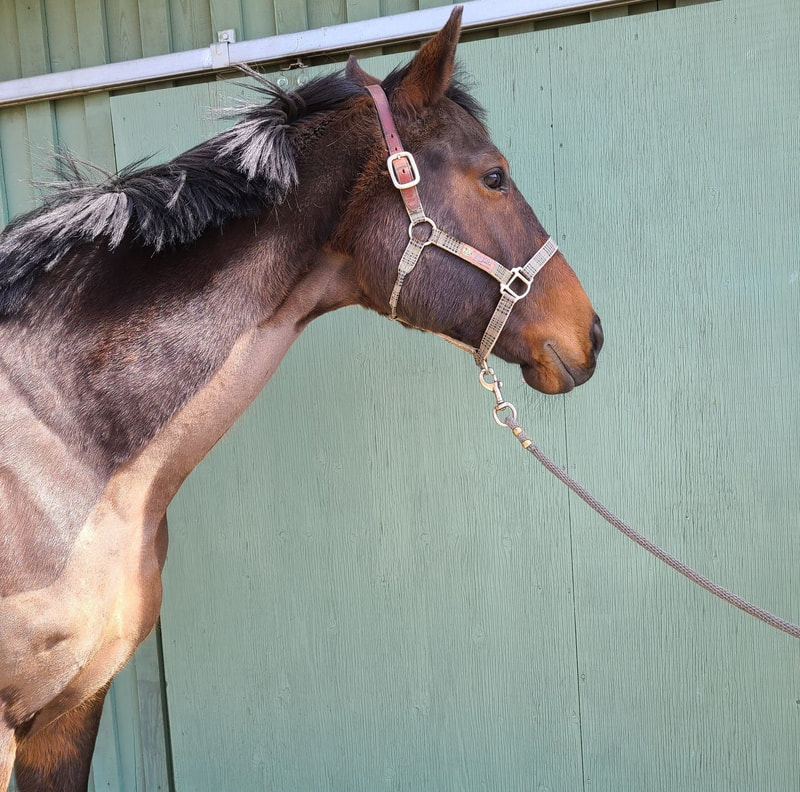
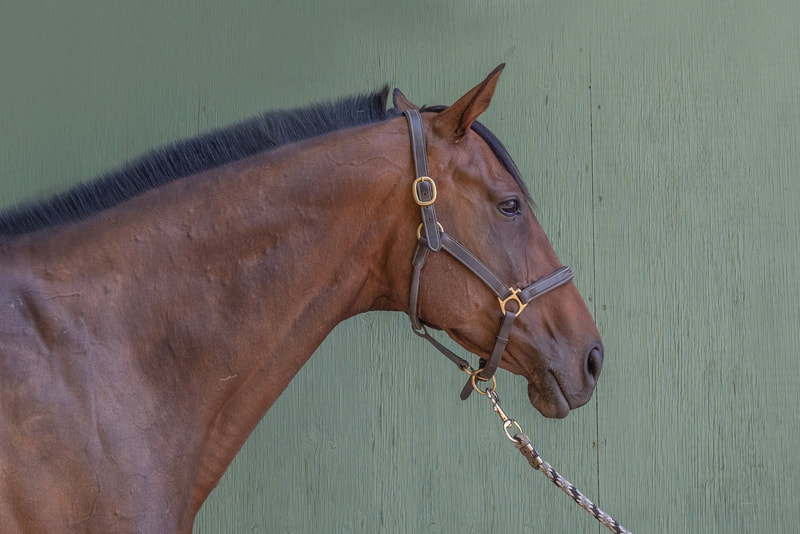
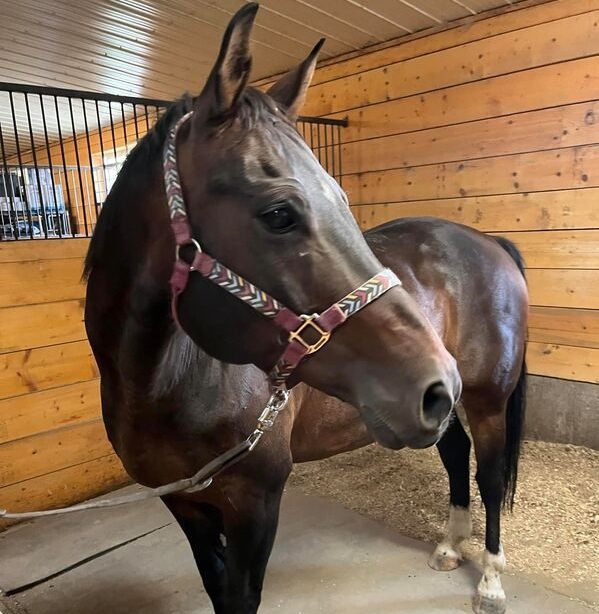
Brian
Brian is owned by KTRA
- Breed: Canadian Warmblood
- Birthday: Born in 2005
- Colour: Bay
- Gender: Gelding
Fun Facts: His show name is Beni Sango, and he competed in show jumping when he was younger.
Gio
- Gold Sponsor: Horizon Dental
Gio is owned by KTRA
- Breed: Registered Canadian Warmblood (Dam is a Quarter Horse: Dustys Miss Tiffany)
- Birthday: May 29, 2006
- Colour: Bay
- Gender: Gelding
Fun Facts: Registered Name: Giovanni JS
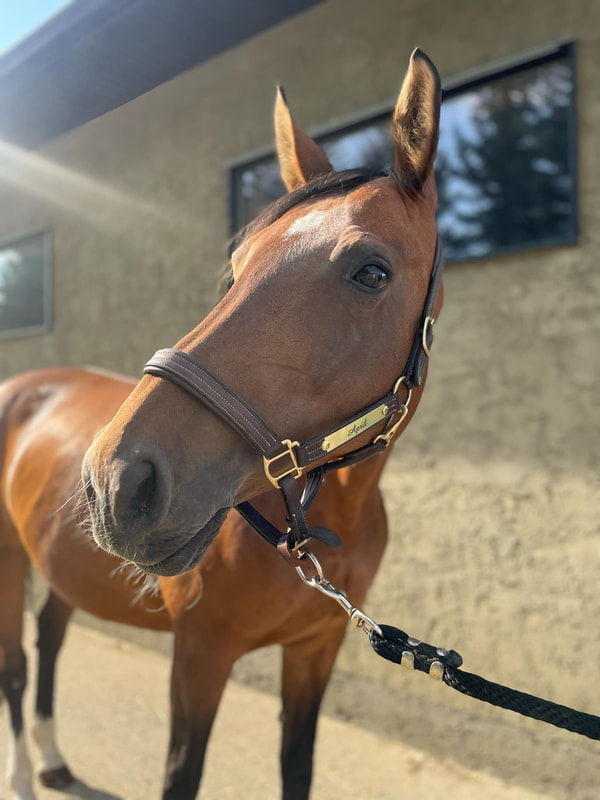
April
April is owned by KTRA
- Breed: Canadian Warmblood
- Birthday: April 10, 2010
- Colour: Bay
- Gender: Mare
Fun Facts: Her registered name is ‘Four Seasons’. She has had one foal.
Sponsor One of Our Horses
Our horses work hard for our riders. A horse sponsorship helps cover the cost of daily feed, farrier visits, veterinary care, and specialized treatment — and it comes with some wonderful perks.
Wish to donate or free lease your horse to KTRA?
KTRA welcomes inquiries from horse owners who are interested in donating or leasing their horse to our program. If you are interested in providing a forever home for our special friends, don’t hesitate to get in touch with asudds@ktra.ca
The Ideal Therapy Horse
Although Therapeutic horses come in a variety of shapes, sizes, and breeds, they tend to share some common characteristics. Most Therapeutic riding (TR) horses fall between 14 hands (the size of a large pony) and 16 hands (the size of the average race horse). A suitable TR horse will typically fall on the “stocky” side, with a short-coupled confirmation. Because some riders can have low muscle tone or difficulty balancing, even gentle work can be taxing on the muscular-skeletal system of these animals. For this reason, a sturdy bearing is important for the long-term comfort and usability. TR horses do not need to be top performers, but they must be sound and possess good, clean gaits in order to produce the type of “three-dimensional” movement (up/down, back/front, side/side) that is associated with Therapeutic benefit.
Offer a Retirement Home
Although their work with KTRA is not physically demanding, our horses are subject to quite the difficult job! For most of their lessons, our horses are lead by a horse leader but also receiving input from the student and the two side helpers. Think about how you can become overwhelmed when receiving 4 different signals of how to do the same thing! The average Therapeutic riding horse can spend about 5 years in a program before reaching burnout. KTRA allows our horses tell us they are ready for retirement in a variety of ways – some physical and some behavioral – it depends on the individual horse.
When a horse is ready for retirement, we begin the task of finding them a qualified home, one where they can spend their days just being a horse.